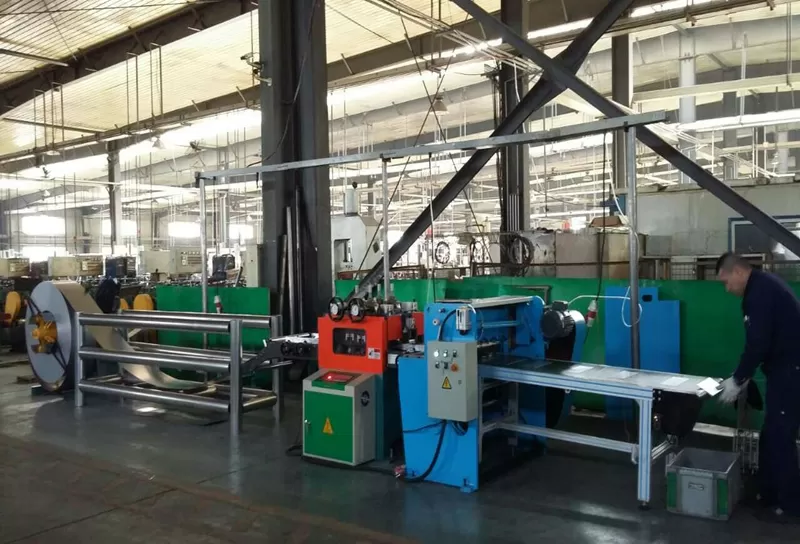
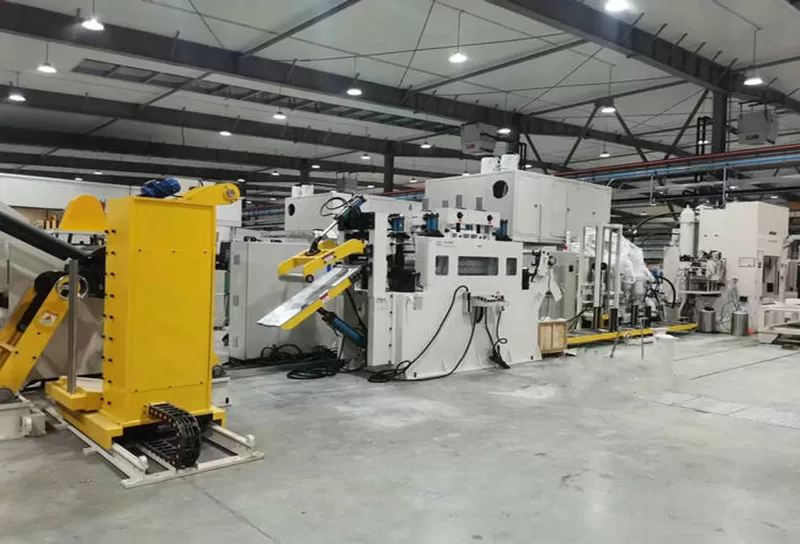
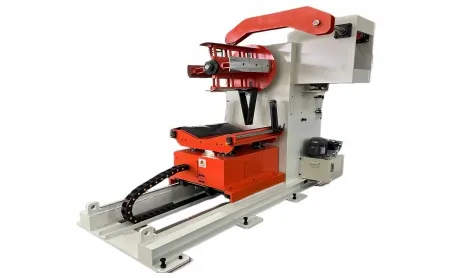
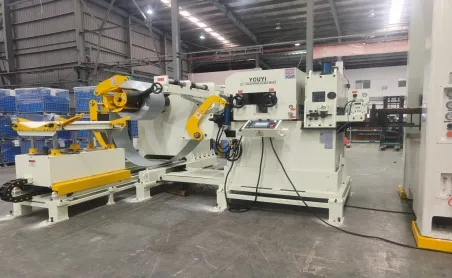
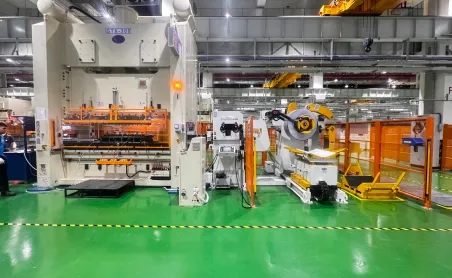
Automatic Cut to Length Lines for Precision Coil Processing
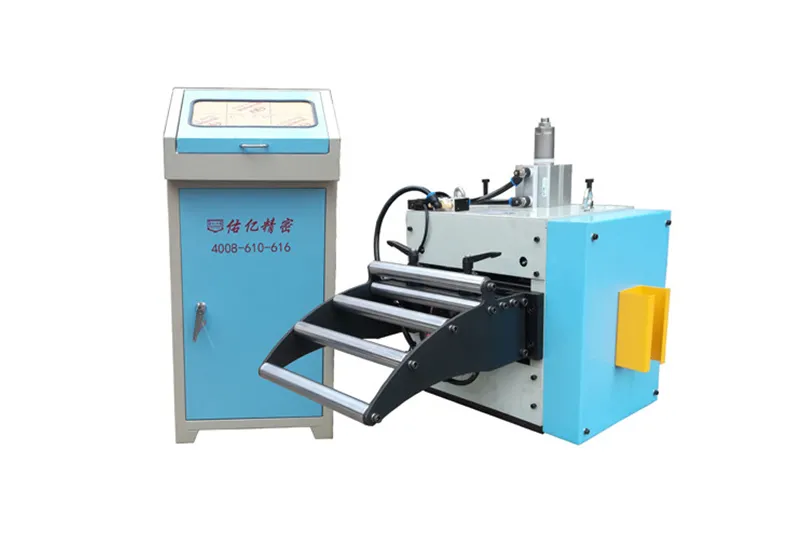
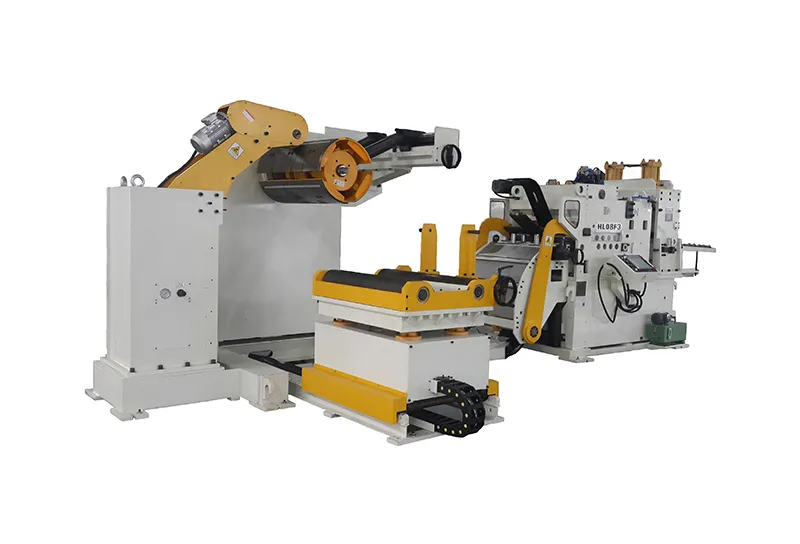
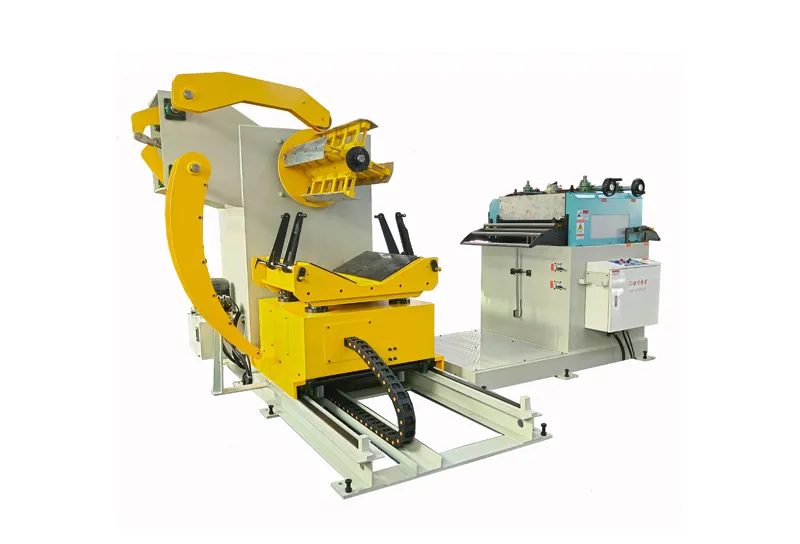
Youyi Machine provides advanced Cut to Length Lines (CTL Lines) designed for high-efficiency coil processing and sheet metal cutting applications. Our automatic cut to length machines integrate coil decoiling, leveling, servo feeding, precision shearing, and automatic stacking functions to process steel coils, stainless steel coils, aluminum coils, and other metal materials into accurate flat sheets.
Designed for industries such as automotive manufacturing, home appliances, electrical cabinets, metal fabrication, and new energy equipment, Youyi’s coil processing lines deliver high precision, stable performance, and improved production efficiency. The system can handle different material thicknesses, coil widths, and production requirements through flexible configuration options.
Equipped with advanced servo drive technology, PLC control systems, and precision leveling units, our automatic Cut to Length Lines ensure accurate cutting length, smooth sheet feeding, and reliable operation with reduced manual intervention.
Whether you need a steel coil cutting line, aluminum sheet cutting solution, or customized coil processing equipment, Youyi Machine provides complete automation solutions to optimize your metal sheet production process.
FAQ – Cut to Length Lines
1. What is a Cut to Length Line?
A Cut to Length Line (CTL Line) is an automated coil processing system that converts metal coils into flat sheets with precise lengths. The system typically integrates coil decoiling, leveling, servo feeding, shearing, and stacking functions to achieve continuous and efficient sheet metal production.
Youyi’s Cut to Length Lines are designed for processing materials such as carbon steel, stainless steel, aluminum, and copper coils, providing accurate cutting solutions for various industries.
2. How does a Cut to Length Line work?
A Cut to Length Line works through several automated processes:
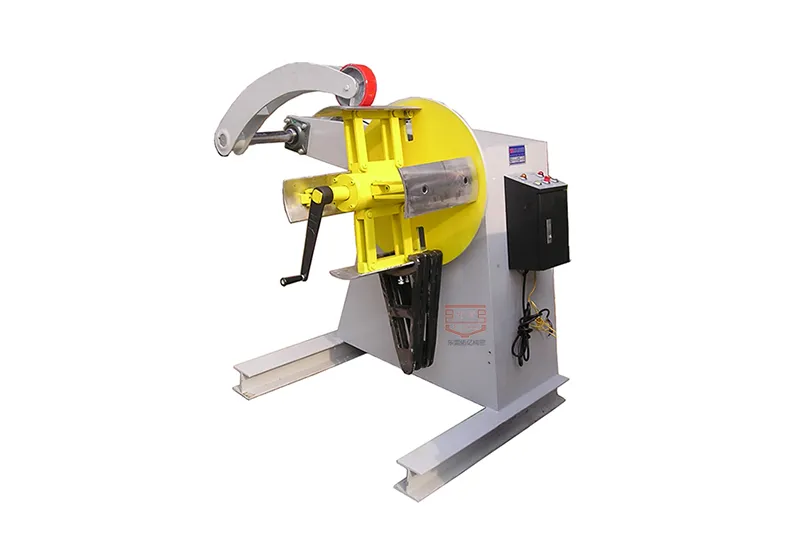
Coil loading and decoiling – The coil is placed onto the decoiler and continuously released.
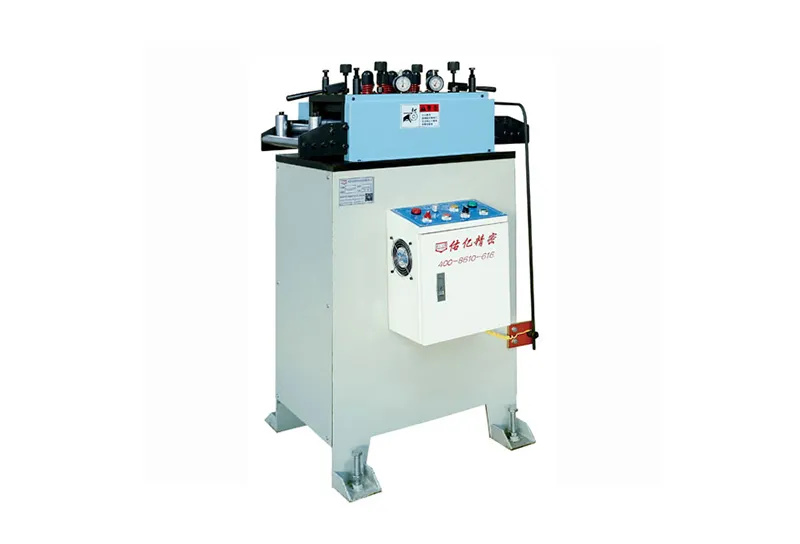
Leveling – The straightener removes coil deformation and improves flatness.
Servo feeding – The servo system controls material movement with high precision.
Precision shearing – The flying or fixed shear cuts sheets according to preset lengths.
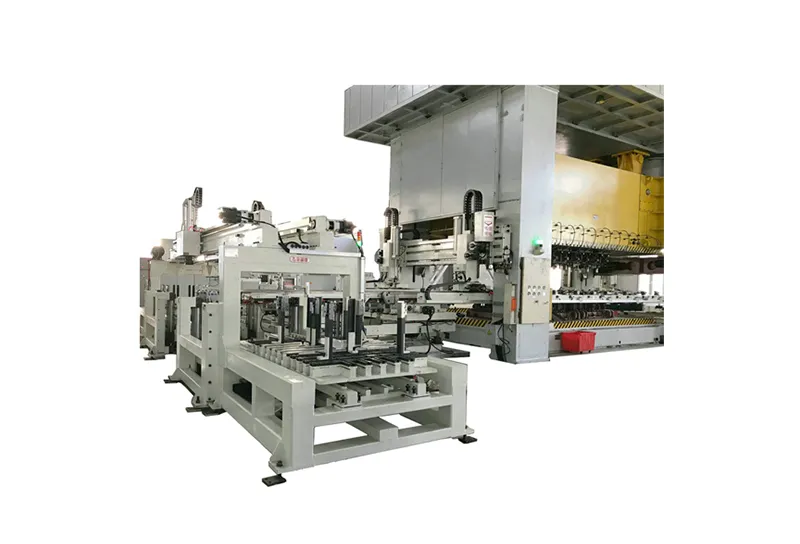
Automatic stacking – Finished sheets are collected and organized for further processing.
This integrated process improves production efficiency and reduces manual operation.
3. What materials can a Cut to Length Machine process?
Youyi Cut to Length Machines can process various metal materials, including:
Carbon steel
Stainless steel
Aluminum
Copper
Galvanized steel
Cold rolled steel
The equipment can be customized according to material thickness, coil width, and production requirements.
4. What are the advantages of an automatic Cut to Length Line?
An automatic Cut to Length Line provides several advantages:
High cutting accuracy and repeatability
Reduced manual labor requirements
Improved production efficiency
Stable sheet feeding performance
Better material utilization
Flexible processing for different coil materials
Compared with traditional manual cutting methods, CTL Lines provide a more efficient solution for modern coil processing.
5. What is the difference between a Cut to Length Line and a traditional sheet cutting machine?
A traditional sheet cutting machine usually requires pre-cut sheets to be manually loaded and positioned.
A Cut to Length Line directly processes coil materials through automated uncoiling, leveling, feeding, cutting, and stacking, eliminating additional handling steps and improving production efficiency.
6. What thickness and width can a Cut to Length Line process?
The processing capacity depends on the specific model and customer requirements.
Youyi Cut to Length Lines can be customized based on:
Coil width
Material thickness
Coil weight
Cutting length
Production speed
Our engineering team provides suitable configurations for different applications.
8. How does a servo system improve Cut to Length Line performance?
The servo feeding system provides precise control of material movement, ensuring:
Accurate sheet length
Stable feeding speed
Reduced material waste
Improved production consistency
Servo technology is especially beneficial for industries requiring high precision and continuous production.
9. Can a Cut to Length Line be customized for different production requirements?
Yes. Youyi provides customized coil processing solutions based on:
Material specifications
Required output capacity
Cutting accuracy
Factory layout
Automation requirements
Optional configurations include different decoilers, leveling systems, feeding units, shearing systems, and stacking solutions.
10. Why choose Youyi Cut to Length Lines?
Youyi specializes in coil processing automation equipment and provides reliable solutions for metal sheet production.
Our Cut to Length Lines feature:
Advanced servo control technology
Precision leveling systems
Stable PLC automation
Flexible customized designs
Professional engineering support
Youyi helps manufacturers achieve efficient and accurate coil-to-sheet processing.